

 Eng
Eng 
 Español
 عربى
عربى

Lithium Garden Tool Manufacturer Sector Expands with Demand
 2026.03.20
 Industry News
The industrial sector dedicated to producing battery-powered equipment for landscaping and gardening is experiencing significant growth as professionals and homeowners increasingly adopt cordless technology. The lithium garden tool manufacturer segment has evolved from niche production to mainstream manufacturing, supplying everything from pruners and trimmers to chainsaws and blowers. As environmental considerations and user preferences drive continued transition from petrol-powered alternatives, lithium garden tool manufacturer operations are expanding and evolving to meet rising global demand.
At the foundation of lithium garden tool manufacturing is the integration of multiple specialized production capabilities within facilities designed for high-volume output. Precision machining operations produce the cutting components that must maintain exacting tolerances for reliable performance. Electronic assembly areas create the motor control systems that manage power delivery and optimize efficiency. Battery pack production assembles lithium cells into power sources that balance runtime with weight and cost considerations. Final assembly and testing bring these components together into finished tools ready for distribution. This comprehensive manufacturing approach allows quality control across all aspects of production.
The battery technology at the core of lithium garden tool manufacturer production has advanced significantly through ongoing research and development. Lithium-ion cells with higher energy density allow longer runtime without increased weight, addressing the primary limitation of early cordless tools. Improved cell chemistry extends cycle life, maintaining capacity through more charge-discharge cycles before replacement is required. Advanced battery management systems protect cells from the overcharging, over-discharging, and overheating that would compromise safety or accelerate degradation. These battery innovations directly influence user satisfaction with lithium garden tools.
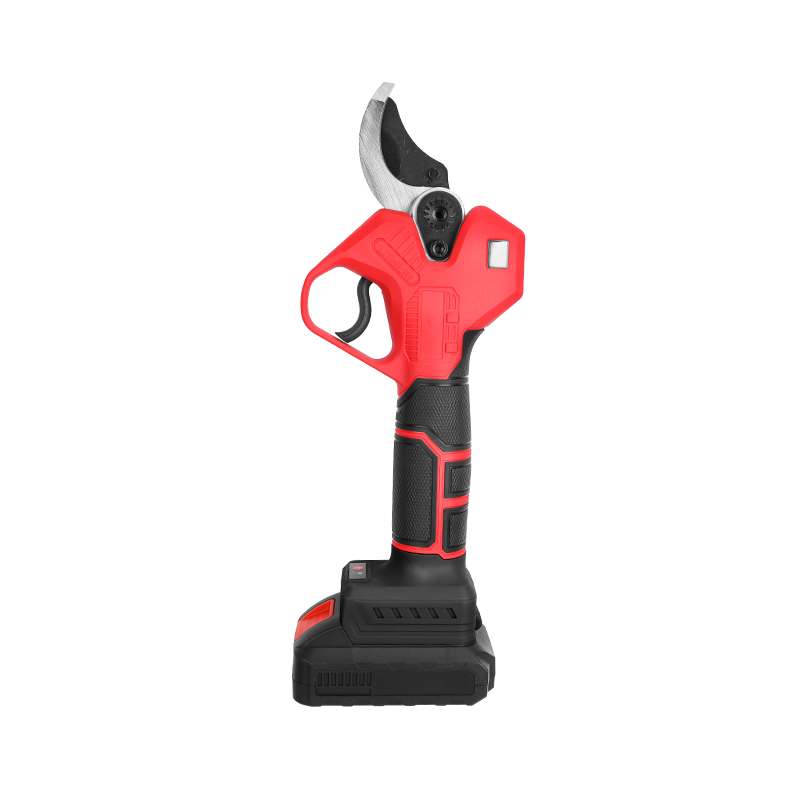
Motor manufacturing capabilities within lithium garden tool facilities have evolved to meet the specific demands of garden equipment. Brushless motor designs, now standard across quality tool lines, eliminate the wear and efficiency losses of traditional brushed motors while delivering higher power density. Precision-balanced rotors less vibration that would cause operator fatigue during extended use. Integrated motor controllers manage power delivery for ideal performance across varying load conditions, from light trimming to heavy cutting. These motor technologies determine both the power and efficiency users experience.
Platform strategies have become increasingly important in lithium garden tool manufacturer operations. Shared battery systems that power multiple tools reduce user investment in batteries and chargers while simplifying inventory management for manufacturers. Common control interfaces create consistent user experience across tool lines. Modular designs that share components across models reduce manufacturing complexity and cost. These platform approaches benefit both manufacturers and users through improved efficiency and reduced costs.
Quality control systems throughout lithium garden tool manufacturing ensure that finished products meet performance and safety standards. Incoming inspection verifies that components from suppliers conform to specifications before entering production. In-process testing identifies issues before they are incorporated into completed tools. Final functional testing confirms that each tool operates as intended under simulated use conditions. Safety testing validates that electrical systems and mechanical components pose no unacceptable risk to users. These quality systems protect both manufacturer reputation and user safety.
As global landscaping and gardening activities continue to expand and environmental considerations drive continued transition from petrol-powered equipment, the lithium garden tool manufacturer sector appears positioned for sustained growth. The tools produced in these facilities reduce noise and emissions at point of use while delivering performance that increasingly matches or exceeds traditional alternatives. For professionals and homeowners worldwide, reliable access to quality lithium garden tools depends on the sophisticated manufacturing operations within this expanding industrial sector.



 Home
Home +86-135 0659 5098
 No. 167, Lingshi Road, Chengxi New District, Yongkang City, Jinhua City, Zhejiang Province, China.
Copyright ©YONGKANG XINDAI TECHNOLOGY CO.,LTD. All rights reserved.
China Garden Tool
