

 Eng
Eng 
 Español
 عربى
عربى

Blower Technology Adapts to Diverse Needs
 2026.03.27
 Industry News
Across residential, commercial, and industrial settings, a versatile category of equipment is experiencing notable refinements: the blower. This device, designed to move air or gas with significant force, serves important functions in landscape maintenance, material handling, industrial processing, and cleaning operations. The ongoing development of the blower reflects a focus on improved efficiency, power source diversification, and enhanced user ergonomics to meet the evolving demands of various sectors.
At its core, the function of a blower is to generate a directed, high-velocity airflow. This is achieved through an impeller or fan rotated at high speed by a power source, typically an electric motor or a gasoline engine. The design of the impeller and the housing determines the airflow characteristics—namely volume (CFM) and pressure—defining whether a blower is ideal suited for moving lightweight debris like leaves or for providing combustion air in an industrial furnace. From handheld leaf blowers to large industrial centrifugal blowers, the fundamental principle remains consistent, though the scale and specific engineering vary widely to match the task.
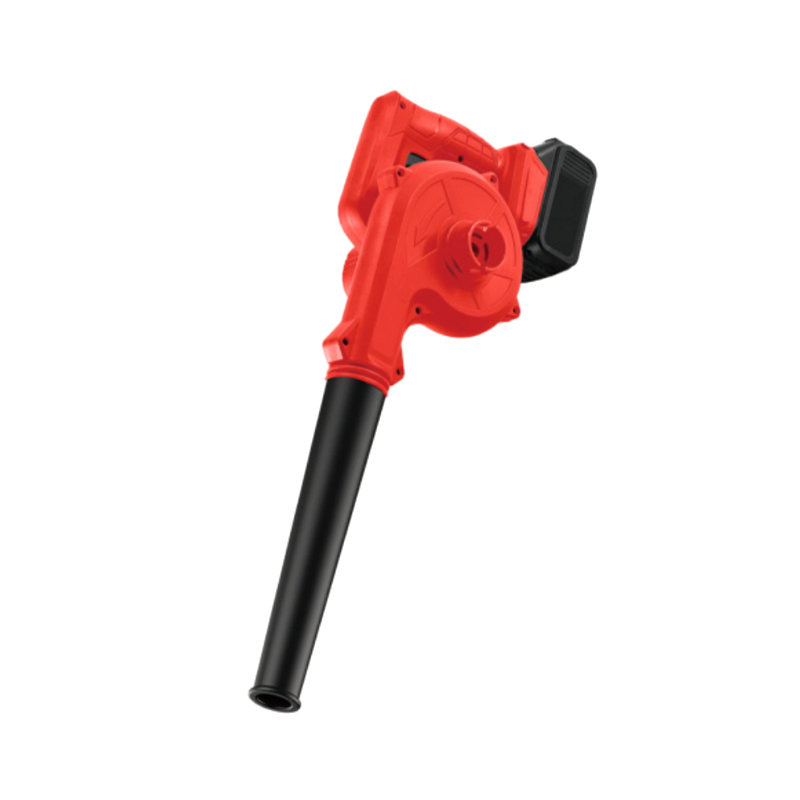
In the realm of landscaping and grounds maintenance, the handheld or backpack blower is a ubiquitous tool. This type of blower allows for the efficient clearing of leaves, grass clippings, and other debris from lawns, walkways, and hard surfaces. The transition toward battery-powered blowers has been significant, with lithium-ion models offering substantial power with reduced noise and zero direct emissions compared to traditional gasoline-powered units. This shift highlights how blower technology is adapting to environmental considerations and local noise ordinances while maintaining the performance required for professional and consumer use.
Beyond outdoor maintenance, the industrial blower plays a critical role in manufacturing, HVAC (Heating, Ventilation, and Air Conditioning), and material processing. In these contexts, a blower might be part of a pneumatic conveying system, moving powders or granules through pipes. It can provide important cooling for machinery or electronic equipment, or supply air for combustion processes. Industrial blowers are engineered for durability, often capable of running continuously under load, and are selected based on precise pressure and flow requirements. The efficiency of these industrial blowers has a direct impact on energy consumption and operational costs in facilities.
The design and development of modern blowers increasingly prioritize operator comfort and environmental impact. Ergonomic features such as adjustable handles, vibration damping, and balanced weight distribution are common in handheld models. Noise reduction technologies, including improved muffler design and sound-dampening materials, are applied to both handheld and stationary blowers. For electric blowers, advancements in motor efficiency and battery technology extend runtime and power, making cordless blowers viable for more demanding tasks. These improvements demonstrate a holistic approach to blower design that considers the user and the surrounding environment.
The evolution of blower technology is likely to be influenced by trends in electrification, automation, and smart system integration. The development of more powerful and longer-lasting batteries will continue to expand the capabilities of cordless blowers. In industrial settings, the integration of blowers with sensors and variable frequency drives will allow for smarter, more responsive airflow control, optimizing energy use. Furthermore, the potential integration of blower functions into multifunctional outdoor power equipment platforms is an ongoing trend. As a fundamental tool for moving air, the blower will continue to adapt, ensuring its place as an indispensable asset for tasks ranging from simple yard cleanup to complex industrial processes, driven by a balance of power, efficiency, and user-centric design.



 Home
Home +86-135 0659 5098
 No. 167, Lingshi Road, Chengxi New District, Yongkang City, Jinhua City, Zhejiang Province, China.
Copyright ©YONGKANG XINDAI TECHNOLOGY CO.,LTD. All rights reserved.
China Garden Tool
