

 Eng
Eng 
 Español
 عربى
عربى

Horse Knife Saw Tackles Tough, Fibrous Materials
 2026.01.30
 Industry News
In the realms of specialized agriculture, animal husbandry, and certain craft trades, there exists a need for tools that combine robust cutting power with precise control for tough, fibrous materials. This niche is filled by a tool known as the horse knife saw. This implement, not a saw in the traditional sense of toothed blades, is a heavy-duty, manually operated knife with a uniquely shaped blade designed for specific cutting tasks often related to animal care or material processing. The design and application of the horse knife saw highlight how tool evolution is driven by the practical demands of challenging, hands-on work.
The defining characteristic of a horse knife saw is its blade. It typically features a broad, slightly curved blade with a heavy spine, reminiscent of a machete but shorter and more specialized. Unlike a standard knife, one edge of the horse knife saw blade is often ground with fine, shallow, and closely spaced serrations or a wavy, sinuous pattern. This "saw" edge is not for cutting wood but for efficiently slicing through dense, resilient organic materials that a straight edge might struggle with or tear. The tool is designed to be used with significant hand force, often with two hands, for powerful, controlled cutting strokes.
The primary application historically and still significantly associated with the horse knife saw is in the processing of animal hooves and related materials in farriery and veterinary contexts. The tough, keratinous material of a horse's hoof can be challenging to shape and trim. A horse knife saw allows a farrier or veterinarian to remove overgrown or damaged hoof wall with more control and less tearing than some other tools, though its use requires considerable skill. Beyond this specific use, variations of the horse knife saw have been employed for cutting dense baling twine, fibrous ropes, rubber, and other tough, pliable materials where a clean, controlled cut is needed without the bulk of a large powered saw.
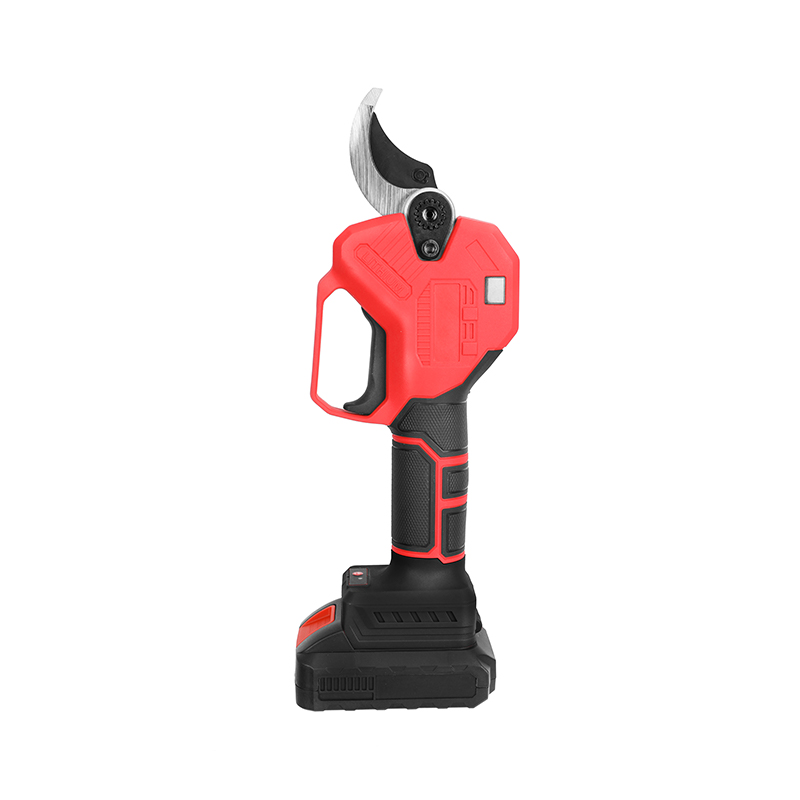
The design and construction of a quality horse knife saw prioritize strength and durability. The blade is typically forged from high-carbon steel or alloy steel that can hold a sharp edge while resisting the stresses of prying and heavy cutting. The handle is robust, often made from wood, leather, or dense synthetic materials, and is designed to provide a secure, non-slip grip even when wet. The full-tang construction, where the steel of the blade extends through the handle, is common to ensure the tool can withstand substantial impact and leverage. This rugged build reflects the tough environments in which the horse knife saw is intended to be used.
The horse knife saw is likely to remain a specialized instrument, with its evolution focused on material improvements rather than radical redesign. Advances in steel alloys and handle ergonomics may offer slight enhancements in performance, edge retention, and user comfort. Its continued existence serves as a reminder of the enduring value of manually powered, expertly crafted tools designed to solve a particular problem with efficiency and reliability. In a world of increasing automation, the horse knife saw stands as a testament to the synergy between specialized tool design and skilled manual practice.



 Home
Home +86-135 0659 5098
 No. 167, Lingshi Road, Chengxi New District, Yongkang City, Jinhua City, Zhejiang Province, China.
Copyright ©YONGKANG XINDAI TECHNOLOGY CO.,LTD. All rights reserved.
China Garden Tool
