

 Eng
Eng 
 Español
 عربى
عربى

Hedge Machine for Garden Trimming Tasks
 2026.05.01
 Industry News
The hedge machine is a common power tool used for trimming and shaping hedges and bushes. A hedge machine features a set of reciprocating blades that cut through branches and leaves. The tool is designed for maintaining formal hedges, topiary shapes, and overgrown shrubs. A typical hedge machine has a blade length between 40 and 75 centimeters. The weight of a hedge machine ranges from 2 to 6 kilograms depending on the power source. A lightweight hedge machine is easier to handle for extended periods of use. A larger hedge machine with longer blades cuts more material in each pass.
The power source of a hedge machine affects its performance and portability. An electric hedge machine plugs into a wall outlet using an extension cord. This type of hedge machine runs continuously without refueling but has limited range. A battery-powered hedge machine uses rechargeable lithium-ion battery packs. A cordless hedge machine offers freedom of movement around the garden. The runtime of a battery hedge machine is typically 30 to 60 minutes per charge. A gasoline hedge machine uses a two-stroke or four-stroke engine. This hedge machine provides high power for heavy cutting but requires fuel mixing and maintenance.
The blade design of a hedge machine determines what size branches it can cut. The teeth on a hedge machine are either double-sided or single-sided. A double-sided hedge machine cuts in both directions as the blade moves back and forth. This hedge machine design is efficient for general trimming of soft growth. A single-sided hedge machine has teeth on only one edge of the blade. This hedge machine is better for precise shaping and reducing kickback. The gap between teeth on a hedge machine ranges from 15 to 35 millimeters. A wider gap hedge machine can handle thicker branches up to 25 millimeters in diameter.
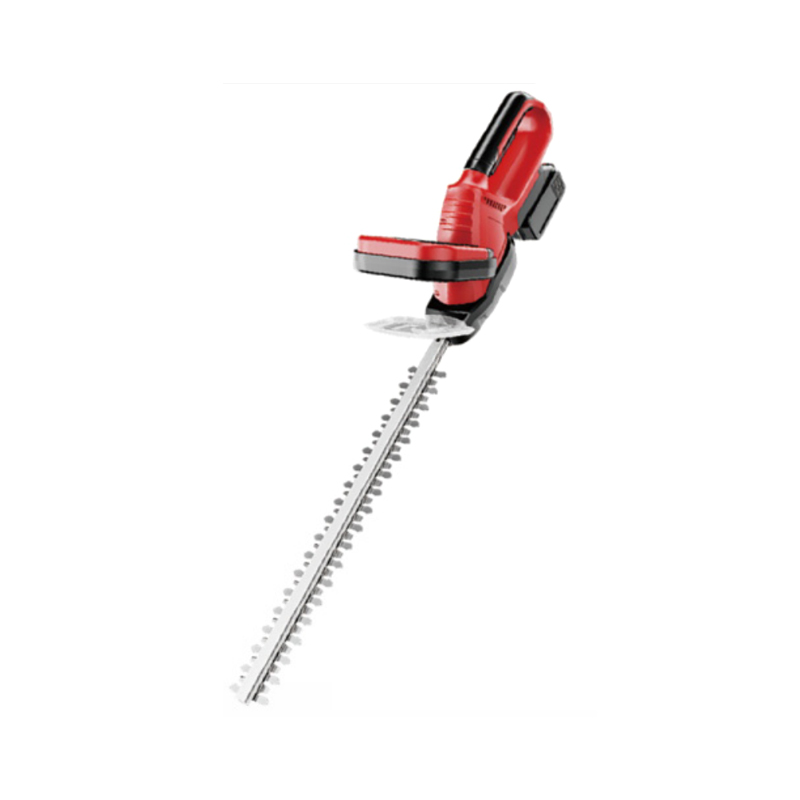
The safety features on a hedge machine protect the operator during use. A two-hand switch requires both hands on the hedge machine handles before the blades move. A hand guard between the front handle and the blades prevents slipping forward. The blade tip of a hedge machine is often blunted to reduce puncture risk. Many hedge machine models include a blade cover for storage and transport. This cover protects both the hedge machine blades and anyone handling the tool. The stop time of a hedge machine blade after releasing the trigger is usually less than one second.
The cutting technique for a hedge machine affects the final appearance of the hedge. The user should cut the sides of the hedge first before cutting the top. A hedge machine held vertically trims side growth to a flat or tapered surface. The bottom of the hedge should be wider than the top for good light exposure. A hedge machine used on the top should follow a string line for a level cut. The blade of the hedge machine should be kept parallel to the hedge surface. Overlapping passes with the hedge machine prevent missed spots and uneven cutting.
The applications for a hedge machine go beyond residential gardens. Professional landscapers use a hedge machine for maintaining commercial properties and public parks. A long-reach hedge machine extends the operator's reach for tall hedges or wide bushes. This type of hedge machine has the cutting head mounted on a long shaft. A hedge machine with a pivoting head can cut at different angles for sloped surfaces. Regular trimming with a hedge machine encourages dense growth and attractive shapes.



 Home
Home +86-135 0659 5098
 No. 167, Lingshi Road, Chengxi New District, Yongkang City, Jinhua City, Zhejiang Province, China.
Copyright ©YONGKANG XINDAI TECHNOLOGY CO.,LTD. All rights reserved.
China Garden Tool
