

 Eng
Eng 
 Español
 عربى
عربى

Blower Technology Shows Measurable Gains in Industry
 2026.05.08
 Industry News
The industrial blower has long served as a critical component in material handling, wastewater treatment, pneumatic conveying, and combustion air systems. Recent years have seen a steady evolution in blower design, driven by facility requirements for energy efficiency, reliability, and lower maintenance intervals. Engineers and plant operators are now evaluating blower options with greater attention to application-specific performance data rather than generalized specifications. This shift reflects a broader trend across industrial sectors, where the blower is no longer viewed as a commodity item but as a strategic piece of equipment that directly affects production uptime and operating costs.
One notable development in blower technology involves rotor profile optimization. Modern blower units incorporate advanced lobe geometries that reduce internal leakage and improve volumetric efficiency. For facilities running continuous operations, even small gains in blower efficiency translate into measurable electricity savings over a full year. A facility manager from a water treatment plant noted that replacing an older blower with a newer model reduced energy consumption without sacrificing airflow. While individual results vary depending on system configuration, the overall direction is clear: the industrial blower has become more efficient than previous generations.
Another area of progress lies in materials and coatings. Many blower manufacturers now offer corrosion-resistant treatments for housings and rotors, allowing the blower to handle aggressive gases or humid environments without rapid degradation. This improvement extends the service life of the blower and reduces the frequency of replacement parts. In chemical processing plants, where gas streams may contain corrosive compounds, a properly specified blower can operate for several years with regular maintenance. Maintenance teams have reported that modern blower designs allow easier access to internal components, shortening repair times compared to older enclosed designs.
Noise reduction represents a third area where the industrial blower has seen measurable improvement. Traditional blower units often produced significant noise levels, requiring separate enclosures or hearing protection for nearby personnel. Newer blower designs incorporate acoustic housing features and precision-balanced rotors that lower operational noise. Several facilities have successfully installed these quieter blower units in occupied areas without additional soundproofing. This development allows plant layouts that were previously impractical due to noise concerns.
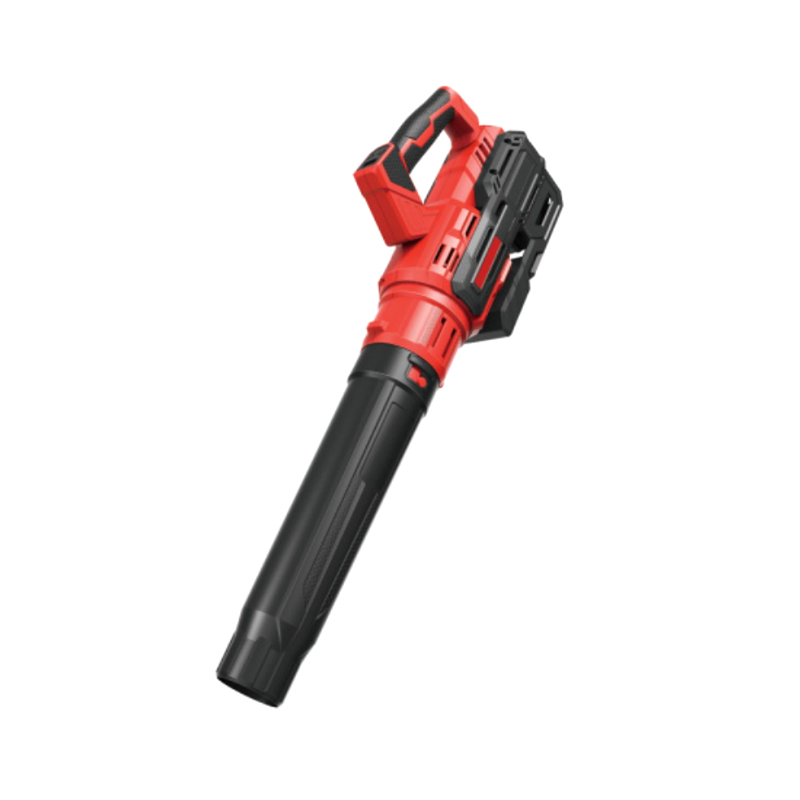
The role of the blower in pneumatic conveying systems continues to expand. From moving plastic pellets in manufacturing facilities to transporting cement powder in processing plants, the blower provides a reliable method for bulk material transfer. Unlike mechanical conveyors, a blower-based system has fewer moving points of contact with the material, reducing wear on both the equipment and the conveyed product. For food-grade applications, a blower can be specified with stainless steel components and sanitary seals to meet industry requirements. Operators have found that blower systems require less frequent cleaning compared to belt or screw conveyors, a factor that matters in facilities with strict hygiene standards.
The industrial blower is expected to incorporate more sensing and diagnostic capabilities. Built-in vibration and temperature sensors can alert operators to developing issues before a failure occurs. For facilities with predictive maintenance programs, a blower equipped with these sensors becomes a known asset rather than an uncertain variable. As industrial operations continue to pursue lower operating costs and higher uptime, the blower will remain a relevant technology for years to come.



 Home
Home +86-135 0659 5098
 No. 167, Lingshi Road, Chengxi New District, Yongkang City, Jinhua City, Zhejiang Province, China.
Copyright ©YONGKANG XINDAI TECHNOLOGY CO.,LTD. All rights reserved.
China Garden Tool
