

 Eng
Eng 
 Español
 عربى
عربى

Blowers Evolve for Quieter Urban Maintenance
 2026.01.02
 Industry News
The familiar, often loud, whirring sound accompanying the clearing of leaves and debris is undergoing a significant change. The common blower, a staple tool for landscaping maintenance, is at the center of a technological shift that balances power with environmental considerations and operational practicality. This evolution is driven by new regulations, community noise concerns, and advancements in alternative power sources, reshaping how grounds are maintained in both public and private spaces.
Traditionally powered by small gasoline engines, the blower has been valued for its effectiveness in moving large volumes of lightweight material like fallen leaves and grass clippings from driveways, sidewalks, and lawns. Its utility for quick cleanup is well-established among professional landscaping crews and homeowners alike. However, the operational characteristics of these conventional models have prompted increasing scrutiny. Concerns primarily focus on noise pollution, which can affect residential tranquility, and emissions from two-stroke engines, which contribute to local air quality challenges.
In response to these concerns, a new generation of blower equipment is gaining prominence. Battery-powered models, particularly those utilizing lithium-ion technology, are becoming a more frequent sight. These modern blower units offer a substantially reduced noise footprint during operation, allowing for work during earlier or later hours with less community disturbance. The absence of direct exhaust emissions is another notable advantage, improving the working environment for the operator and contributing to cleaner air in neighborhoods where the blower is in regular use.
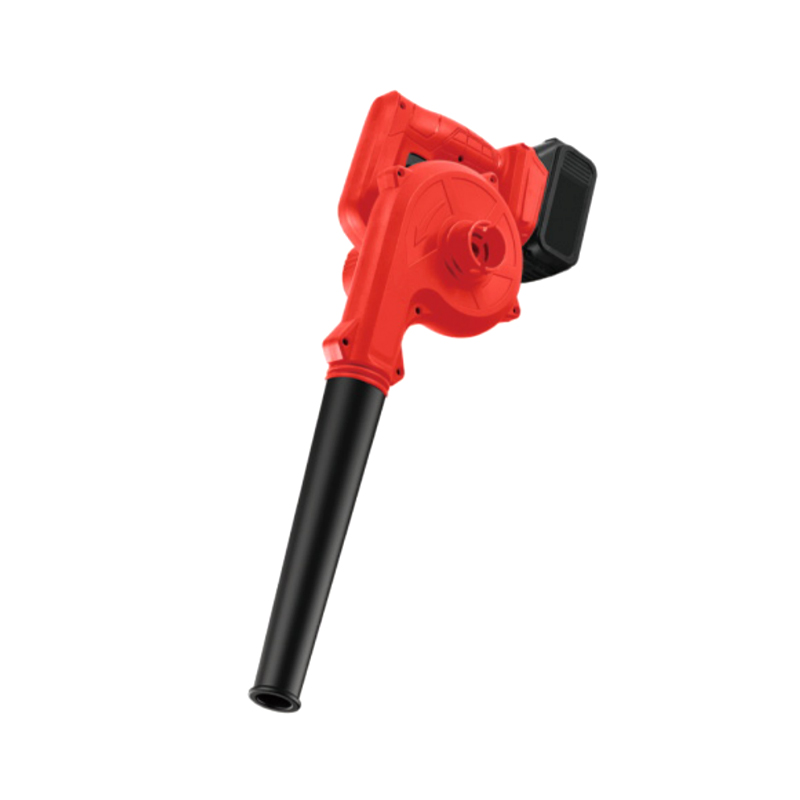
The performance of these electric blower models has improved significantly, with many now offering airflow velocity and volume that meet the demands of general maintenance tasks. While the runtime of a cordless blower may not yet match a full tank of gasoline for the largest commercial jobs, it is increasingly sufficient for typical residential properties and many professional applications, especially when multiple battery packs are utilized. The convenience of instant start-up, without the need for fuel mixing or pull-starting, is a valued feature that enhances user experience and reduces maintenance time.
Beyond power source changes, ergonomic design is a growing focus for the blower industry. Manufacturers are developing lighter-weight models with improved balance to reduce operator fatigue. Features like variable speed triggers allow for better control over airflow, conserving battery power and providing the right level of force for different tasks, from clearing light dust to moving wet leaves. This attention to user comfort and efficiency is making the blower a more refined and manageable tool for prolonged use.
The market trajectory suggests a gradual transition. While gasoline-powered blower units continue to be used for their high power and uninterrupted runtime, regulatory measures in some urban areas are limiting their use. This is accelerating the adoption of quieter, zero-emission alternatives. The development of more powerful batteries and efficient brushless motors is steadily closing the performance gap, making the electric blower a compelling choice for an expanding range of users.
The humble blower is experiencing a quiet but important transformation. The industry's move toward cleaner, quieter operation reflects broader societal priorities around noise reduction and environmental stewardship. As technology continues to advance, the future of the blower lies in providing effective cleanup power while seamlessly integrating into the soundscape and air quality goals of modern communities, ensuring its place as an essential tool for tidiness, but in a more harmonious way.



 Home
Home +86-135 0659 5098
 No. 167, Lingshi Road, Chengxi New District, Yongkang City, Jinhua City, Zhejiang Province, China.
Copyright ©YONGKANG XINDAI TECHNOLOGY CO.,LTD. All rights reserved.
China Garden Tool
